

Acoustic design has become a critical consideration in modern architecture, affecting how we interact with spaces, both public and private. From enhancing workplace productivity to creating comfortable home environments, the materials used to manage sound have a significant impact. In this post, we explore the basics of acoustic materials, their functions, and their role in improving the quality of our built environments.
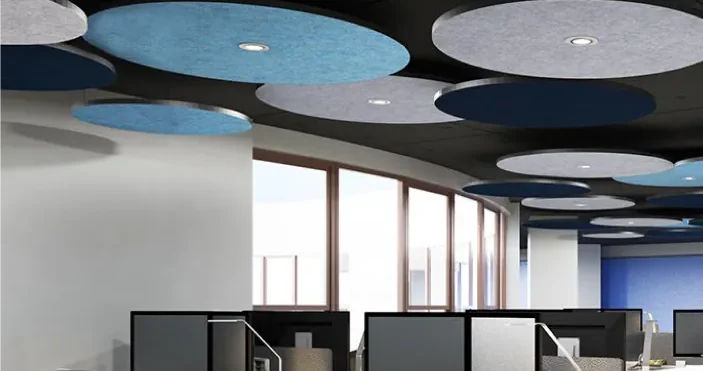
What Are Acoustic Materials? Acoustic materials are specialized products used to control sound within a space. They either absorb, block, or diffuse sound to reduce noise, minimize echo, and improve acoustical quality. These materials are often categorized based on their primary function:
- Sound Absorbers: These materials reduce echoes and reverberation within a space by absorbing sound energy. Examples include acoustic panels, foams, and certain ceiling tiles. They are essential in spaces where clarity of sound is critical, such as meeting rooms, theaters, and music studios.
- Soundproofing Materials: These products prevent sound from traveling between rooms, ensuring that noise is contained or blocked. Common examples include dense materials like mass-loaded vinyl, acoustic barriers, and specialized insulation.
Why Acoustics Matter in Building Design Acoustics affect more than just the way we hear. In both residential and commercial spaces, poor acoustics can lead to discomfort, stress, and even reduced productivity. For example:
- In offices, excess noise can lead to distractions, which can decrease employee focus and efficiency. Strategic placement of sound-absorbing materials can create a more focused, quieter workspace.
- In homes, reducing noise transmission between rooms increases comfort and privacy. Acoustic panels can make a living room more enjoyable for conversations or home theater experiences.
- In music studios or performance venues, acoustic control ensures that sound is accurately reproduced, free from unwanted reflections or noise interference.
Common Acoustic Materials and Their Applications
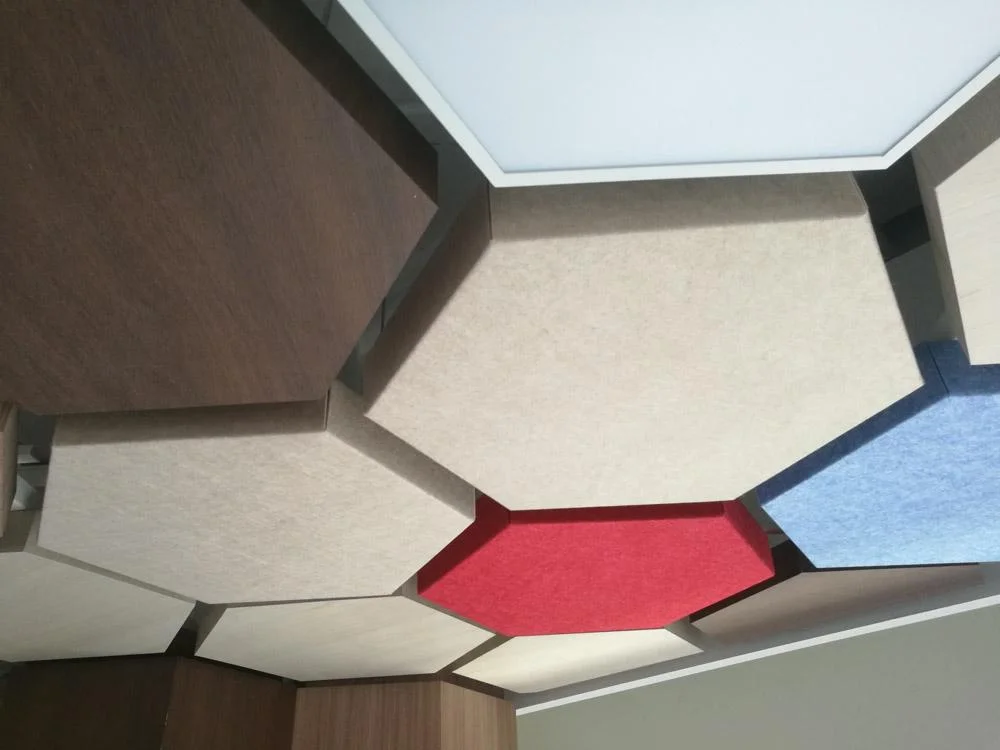

- Fiberglass Panels: Known for their high sound absorption, fiberglass panels are popular in commercial spaces, conference rooms, and studios.
- PET Acoustic Panels: Made from 100% recycled plastic bottles, PET panels are not only sustainable but also highly effective at reducing noise. Available in various colors and sizes, they are increasingly used in eco-conscious projects.
- Acoustic Foam: Typically used in music studios, these panels help control mid- and high-frequency sound waves, reducing echoes and improving sound clarity.
- Fabric-Wrapped Panels: These are often used in spaces where both design and acoustics matter, such as corporate offices or modern homes.
Conclusion: Acoustic materials offer solutions that go beyond mere sound control—they enhance comfort, privacy, and productivity. Whether you’re designing an office, home, or studio, understanding how acoustic materials function is the first step toward creating better spaces. Next week, we’ll discuss sustainable acoustic solutions and how innovative, eco-friendly materials are reshaping the industry.
Call to Action: Need help with the acoustics in your space? Contact us to explore Zenfeel and Martini acoustic solutions for both design and performance needs.